Sunday, August 2, 2026

Where to Travel in August 2026: Climate-Smart Best Destinations


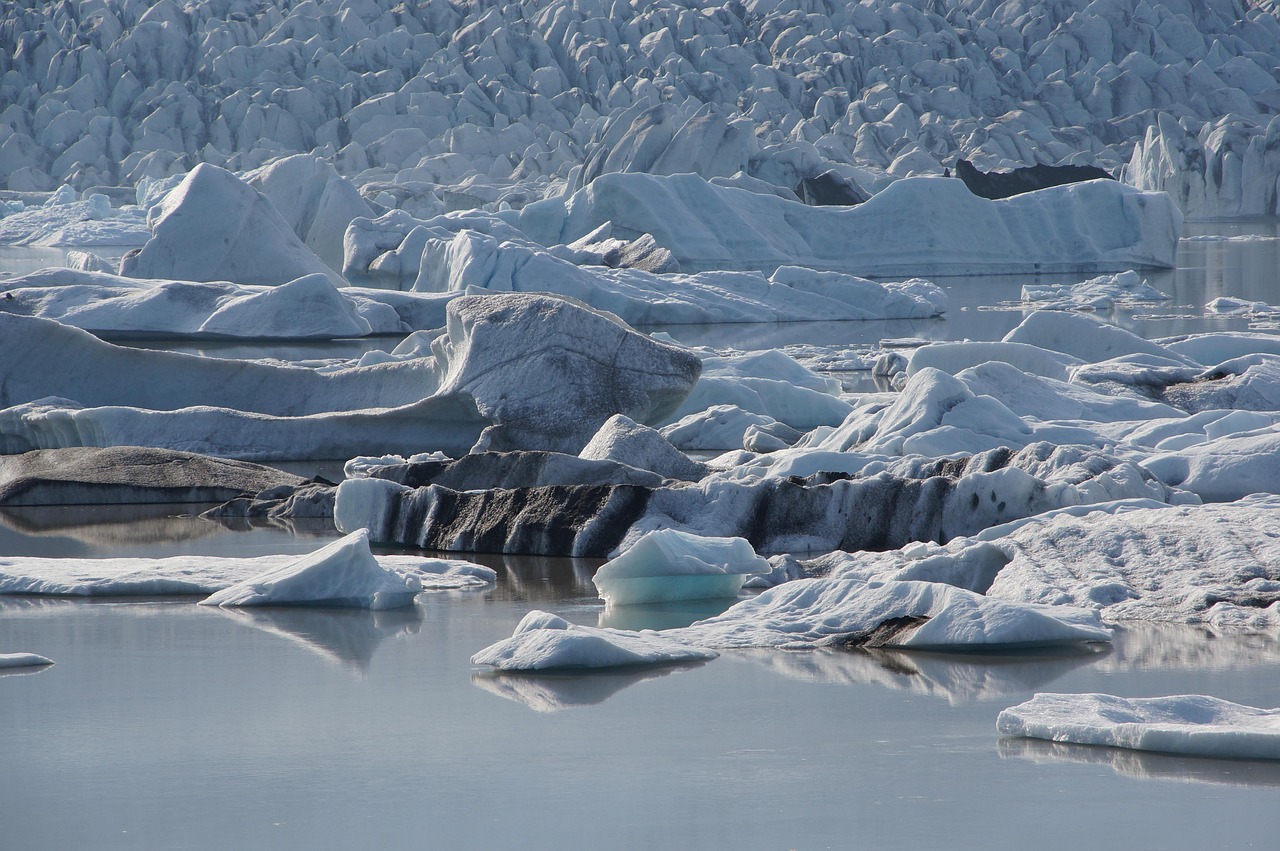
Iceland glacier lagoon coolcation destination for August 2026 climate-smart travel
Image: Jökulsárlón, Iceland, Pixabay Content License. Source: https://pixabay.com/photos/jokulsarlon-iceland-summer-7728806/

The best August 2026 trip is not just a destination. It is a decision about how you want to feel. Do you want heat and beach clubs, or cool mornings and long walks? Do you want a famous city, or a landscape that makes your phone feel unnecessary for a few hours? Do you want to move fast, or do you want the rare pleasure of having enough time? Travel this year is still exciting, but it is also more complicated. Climate, airport procedures, fuel costs, health headlines, and crowd patterns have all become part of the conversation. A good travel guide should not ignore that. It should help you choose a trip that still feels joyful.

Start with climate, not Instagram

Before choosing a place, ask what August will actually feel like there. U.S. News Travel’s 2026 August list includes a wide range of destinations: Fiji, Lake Como, Montenegro, Masai Mara National Reserve, Rocky Mountain National Park, Rovinj, the Faroe Islands, Langkawi, Vancouver, Curaçao, Pictured Rocks National Lakeshore, Kluane National Park and Reserve, Cartagena, Portland in Maine, and the White Mountains. That variety is useful because it shows there is no single August formula. Some travelers want dry island weather. Some want wildlife. Some want lakes. Some want a cool-weather escape.

Climate should be the first filter. Fiji performs well in August because it falls within the cooler, drier season, making beaches and water sports more comfortable. The Faroe Islands are attractive because August is generally one of the warmer and drier months there, yet still refreshingly cool. Vancouver works because August is typically one of its driest and warmest months, with low-70s Fahrenheit temperatures. Curaçao appeals to Caribbean travelers because it sits outside the hurricane belt, even though daytime temperatures can be hot. Langkawi can still be sunny despite being in the rainy season, with fewer crowds as a trade-off.

Europe in August 2026: still worth it, but plan differently

Europe is not “over” for summer travel. It is simply not the carefree default it once seemed to be. Euronews reported on July 28, 2026 that seasonal updates were pointing toward a warmer-than-normal August across Europe, with the strongest heat signal over the Mediterranean and southeastern Europe. The report highlighted recurring heat clusters such as Iberia, Italy, Greece, and parts of the Balkans, and noted that warm nights could become part of the stress because several cities were forecast to stay above 20°C overnight in early August.

For travelers, the practical meaning is simple. If you are choosing Rome, Athens, Split, Barcelona, Valencia, or similar places, design the day around the heat. Put outdoor sightseeing early. Book restaurants instead of wandering hungry at 2 p.m. Choose accommodation with reliable cooling. Keep afternoons for museums, shaded neighborhoods, boats, beaches, or rest. Wear light clothing, carry water, and take heat symptoms seriously. A beautiful trip can still become miserable if the schedule ignores the body.

CNN’s July 2026 travel reporting added more context. It described a difficult European summer shaped by heat, aviation fuel concerns, health precautions, and border-processing delays linked to the EU’s Entry Exit System. The article reported that 13,000 flights were removed from rosters worldwide in May and discussed advice to favor major hubs and allow more airport time. None of this means travelers should cancel automatically. It means August 2026 rewards people who build margins into their plans.

Professional travel tip: If your itinerary collapses when one flight is late or one afternoon is too hot, it is not a luxury itinerary. It is a fragile one.

Best destination style one: the coolcation

The word may sound trendy, but the idea is sensible. A coolcation is a trip chosen partly for milder weather. In August 2026, the Faroe Islands, Iceland, Scotland, Kluane National Park, Vancouver, and the White Mountains all fit the spirit. These places are not identical, but they share one advantage: they let you be outside for longer without organizing every hour around heat avoidance.

Iceland waterfall landscape for August 2026 cool-weather travel guide
Image: Iceland waterfall, Pixabay Content License. Source: https://pixabay.com/photos/waterfall-iceland-landscape-water-4774207/

Iceland is ideal for travelers who want waterfalls, black-sand beaches, glacier lagoons, and road-trip drama. The Faroe Islands are better for people who enjoy solitude, weather, walking, ferries, and a sense of edge-of-the-map beauty. Scotland brings human warmth into the cool-weather category through festivals, pubs, rail journeys, old towns, highland scenery, and islands. Vancouver is the easiest version for travelers who want city comfort with outdoor access. The White Mountains offer a domestic U.S. option with waterfalls, trails, scenic drives, and manageable summer temperatures.

Best destination style two: water and wildlife

August is also powerful for water and wildlife trips. Fiji offers dry-season beach weather and water sports across its islands. Masai Mara National Reserve is a major August safari destination because it is often a strong period for witnessing the Great Migration, when wildebeest, zebras, and other animals move from Tanzania’s Serengeti into Kenya’s Masai Mara. Curaçao offers a Caribbean option outside the hurricane belt, with diving, reefs, colorful Willemstad architecture, and a more relaxed feel than some larger resort islands.

These trips work best when travelers respect the environment rather than consuming it. For Fiji and Curaçao, that means reef-safe habits, careful sun planning, and choosing operators who treat marine life responsibly. For Masai Mara, it means booking ethical guides, keeping proper distance from animals, and remembering that wildlife viewing is never a guaranteed performance. The most memorable safari moment may not be the most dramatic one. It may be the quiet hour when the light changes and the savanna begins to move.

Best destination style three: lakes, parks, and easy recovery

Not every August trip needs to feel remote. Lake Como, Rocky Mountain National Park, Banff, Pictured Rocks National Lakeshore, Portland in Maine, and Vancouver all offer versions of fresh-air travel with recovery built in. You can hike in the morning and eat well at night. You can ride a boat instead of walking all day. You can choose one scenic highlight and still have time for a nap, swim, café, market, or sunset.

How to book August 2026 like a professional

First, book the non-negotiables early: flights, key hotels, timed park entries, ferries, safari lodges, and high-demand restaurant or tour reservations. Second, leave some afternoons open. Third, avoid short connections, especially when crossing borders or entering the Schengen area. Fourth, buy travel insurance that matches the actual risks of your trip, including delays, interruptions, medical needs, and weather-related issues where covered. Fifth, check official advisories and local weather in the week before departure, not just when you first book.

The final word

August 2026 still has room for wonder. The world has not become less beautiful because travel has become more complex. If anything, the complexity is pushing travelers toward better choices: slower routes, cooler climates, smarter timing, more respectful tourism, and itineraries designed around real bodies rather than fantasy schedules. Choose Fiji if you want blue water and dry-season ease. Choose the Faroe Islands or Iceland if you want air, silence, and drama. Choose Lake Como if you want polished lake life. Choose Banff, Vancouver, Rocky Mountain National Park, or the White Mountains if you want scenery with room to breathe. The best destination is the one that lets you return home not only with photos, but with the feeling that you actually had time to be there.

Sources

  • U.S. News Travel, “15 Best Places to Visit in August 2026”: https://travel.usnews.com/rankings/best-places-to-visit-in-august/
  • Euronews, July 28, 2026, Europe warned of warmer-than-normal August: https://www.euronews.com/2026/07/28/europe-warned-of-warmer-than-normal-august-whats-driving-blistering-temperatures
  • CNN Travel, July 2026, summer travel disruption, health, heat, and border context: https://www.cnn.com/2026/07/06/travel/europe-vacation-summer-chaos-border-lines-fuel-shortages
  • TravelAge West, July 24, 2026, “Top Summer Travel Trends for 2026”: https://www.travelagewest.com/Industry-Insight/Business-Features/summer-2026-travel-trends
  • Pixabay Content License summary: https://pixabay.com/service/license-summary/
Saturday, August 1, 2026

Best Lakes and Mountains to Visit in August 2026


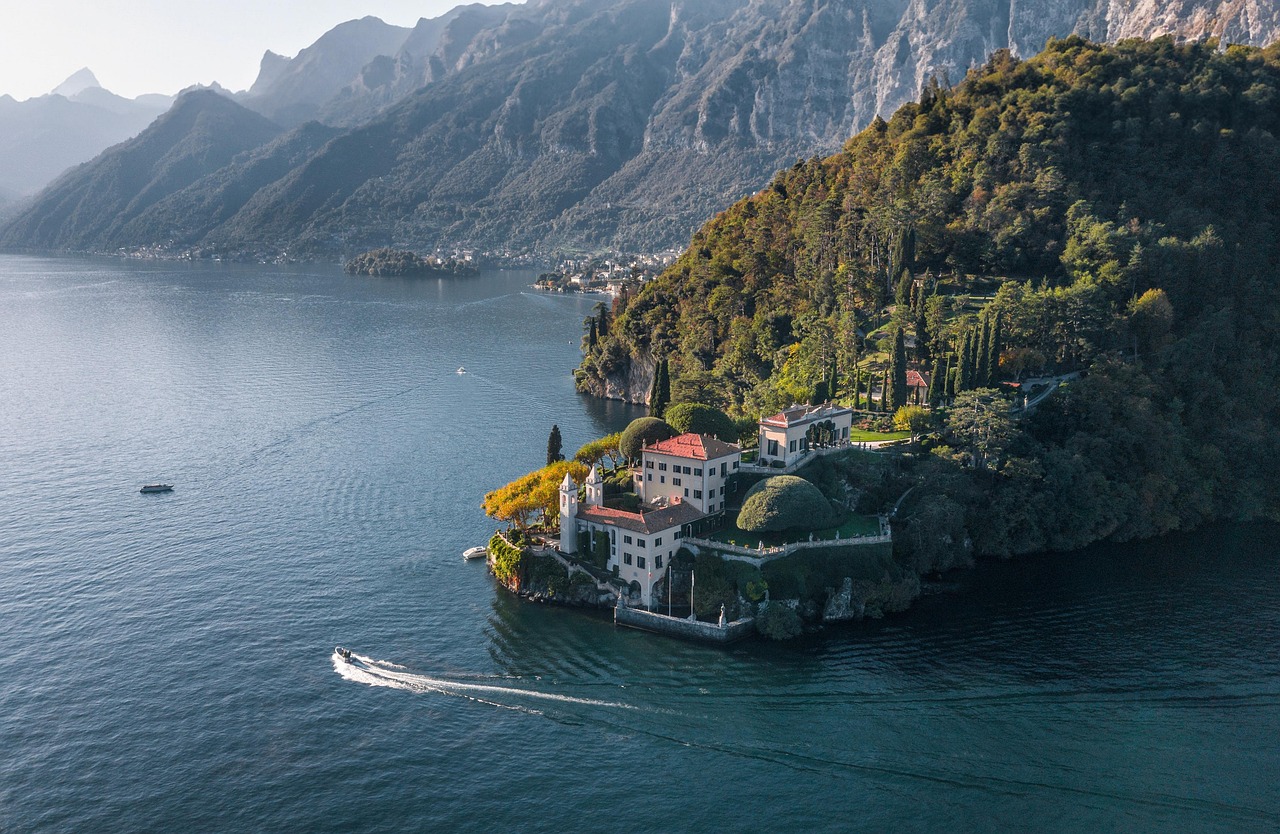
Lake Como Italy best lake destination for August 2026 travel with blue water and mountains

Image: Lake Como, Pixabay Content License. Source: https://pixabay.com/photos/lake-lake-como-italy-water-nature-8028303/

There is a reason lakes and mountains feel especially tempting in August 2026. Travelers want beauty, but they also want relief. They want the last big trip of summer to feel generous, not punishing. They want a place where mornings can begin with clean air, afternoons can slow down by water, and evenings can still carry a sense of occasion. That is why destinations such as Lake Como, Banff, Vancouver, the White Mountains, and Rocky Mountain National Park remain so compelling for late summer. They combine scenery with structure. They let you build a holiday that feels both relaxed and elevated.

Lake Como: polished summer with a practical plan

U.S. News ranks Lake Como as one of the best places to visit in August 2026, and the appeal is obvious. The lake is at its most photogenic in summer: villas framed by gardens, ferry routes sliding between towns, terraces overlooking the water, and a rhythm of long meals, boat rides, and slow walks. August is also the busiest and most expensive time, so Lake Como rewards travelers who plan like professionals rather than tourists trying to improvise everything after arrival.

The best approach is to choose your base carefully. Como town is practical for transport and day trips. Bellagio is famous and beautiful but busy. Varenna offers romance with rail convenience. Menaggio gives access to both lake life and mountain scenery. Once you pick a base, resist the urge to see every village in one day. Lake Como works best when you treat the ferry as part of the experience, not just a commute. Spend a morning in one town, cross the water for lunch, and leave the evening open for a lakeside walk or a simple dinner.

Climate should shape the schedule. Summer heat in northern Italy can still be real, even by the water. Euronews reported that August 2026 was expected to be warmer than normal across much of Europe, with the strongest heat signals around the Mediterranean and southeastern Europe. Lake Como is not the same as Rome or Athens, but it still deserves heat-aware planning. Book outdoor activities in the morning, choose accommodation with cooling or good ventilation, and avoid making a steep midday walk the centerpiece of the day.

Banff: big scenery, early starts, and mountain discipline

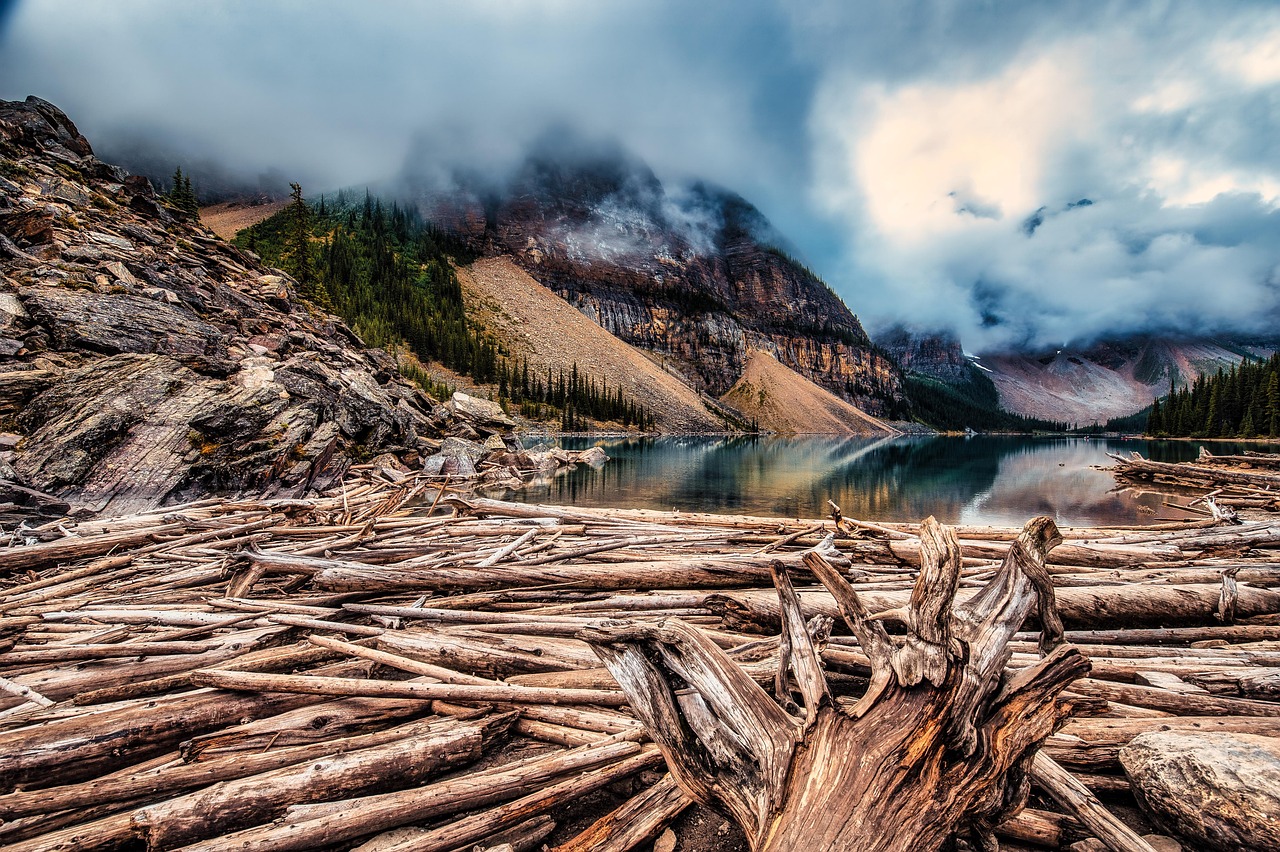
For travelers who want a more active August, Banff and the Canadian Rockies offer a different kind of luxury: space, water, peaks, and the feeling of being small in the best possible way. Pixabay images of Banff often show turquoise lakes and forested mountain edges, and those scenes are not exaggerated. In August, the most famous locations can be crowded, but the wider region still gives prepared travelers a powerful sense of escape.

Banff Canada mountain lake destination for August 2026 fresh-air travel
Image: Banff lake landscape, Pixabay Content License. Source: https://pixabay.com/photos/banff-canada-lake-logs-log-jam-6964161/

The rule for Banff is simple: start early and respect the place. Popular lakes, shuttles, and trailheads require planning. Weather can change quickly. Wildlife is not a prop. A good itinerary balances two or three signature sights with quieter walks, scenic drives, or lodge time. Instead of trying to photograph every iconic viewpoint at the same hour as everyone else, build your day around one major outdoor goal and one softer backup. That could mean a sunrise lake visit followed by an afternoon in town, or a moderate hike followed by a calm drive and dinner with a mountain view.

Rocky Mountain National Park and the White Mountains: American summer with elevation

U.S. News includes Rocky Mountain National Park among its top August 2026 destinations, noting that most trails are accessible, weather is pleasant, wildflowers still appear in meadows, and bighorn sheep are commonly seen. The same ranking highlights New Hampshire’s White Mountains as a refreshing summer option, with August averages in the 70s and access to gorges, bike trails, waterfalls, and Mount Washington views.

These destinations are ideal for travelers who want a strong trip without crossing an ocean. They are also useful for families, couples, and remote workers who want a late-summer reset with less exposure to international flight uncertainty. The planning challenge is demand. Timed entry permits, parking, lodging, and trailhead crowding can shape the experience. If you are going to Rocky Mountain National Park, reserve what needs reserving and arrive before the day becomes congested. In the White Mountains, consider smaller towns and scenic drives rather than trying to turn every moment into a summit attempt.

Professional travel tip: In mountain destinations, an easy day is not a wasted day. It often becomes the day you remember best: a waterfall, a bakery, a quiet overlook, and no rush.

Vancouver: city comfort with outdoor access

Vancouver is a smart August 2026 choice because it delivers a city trip with built-in nature. U.S. News describes August as one of Vancouver’s driest and warmest months, with temperatures in the low 70s Fahrenheit. That climate creates a rare balance: you can cross the Capilano Suspension Bridge, hike near Grouse Mountain, cruise the harbor, spend time on beaches, and still enjoy restaurants, neighborhoods, galleries, and hotels without feeling trapped by heat.

Travel news: build more buffer into August 2026

The wider 2026 travel environment is a reminder to plan with margin. CNN reported that European travel this summer has been affected by heat, fuel concerns, health precautions, and delays linked to the EU’s Entry Exit System. TravelAge West also reported on July 24, 2026 that summer travel patterns were showing strong demand, with Europe making up much of the top booked international activity and domestic U.S. demand centered on places such as Honolulu, New York City, Orlando, Las Vegas, and Seattle.

For lakes and mountains, this means booking early and avoiding brittle itineraries. Do not schedule a major activity within a few hours of arrival after a long flight. Do not rely on a single road, ferry, or connection when the destination is remote. If the trip includes a national park, read the current entry rules before you leave home. If it includes Europe, give border processing and airport time more respect than you used to. The most professional trips in 2026 are not overstuffed; they are resilient.

How to choose the right lake or mountain destination

Pick Lake Como if you want romance, food, elegant towns, and a sense of classic European summer. Pick Banff if you want grandeur, hiking, and the emotional reset that comes from alpine scenery. Pick Rocky Mountain National Park or the White Mountains if you want a North American trip built around trails, viewpoints, and family-friendly outdoor days. Pick Vancouver if you want the comfort of a city with nature close at hand.

The final word

August 2026 is not asking travelers to give up on summer. It is asking them to travel with more awareness. Lakes and mountains answer that call beautifully. They bring air, water, shade, scenery, and choice. They can be polished or rustic, romantic or family-friendly, active or slow. Most importantly, they give you a way to enjoy late summer without feeling like you are fighting the season. Whether you choose Lake Como, Banff, Vancouver, Rocky Mountain National Park, or the White Mountains, the goal is the same: build a trip that leaves room for weather, news, and real life, then let the landscape do the rest.

Sources

  • U.S. News Travel, “15 Best Places to Visit in August 2026”: https://travel.usnews.com/rankings/best-places-to-visit-in-august/
  • TravelAge West, July 24, 2026, “Top Summer Travel Trends for 2026”: https://www.travelagewest.com/Industry-Insight/Business-Features/summer-2026-travel-trends
  • Euronews, July 28, 2026, warmer-than-normal August forecast: https://www.euronews.com/2026/07/28/europe-warned-of-warmer-than-normal-august-whats-driving-blistering-temperatures
  • CNN Travel, July 2026, European travel disruption and heat context: https://www.cnn.com/2026/07/06/travel/europe-vacation-summer-chaos-border-lines-fuel-shortages
  • Pixabay Content License summary: https://pixabay.com/service/license-summary/
Best Cool-Weather Europe Destinations for August 2026 Travel


 Image: Faroe Islands landscape, Pixabay Content License. Source: https://pixabay.com/photos/faroe-islands-landscape-houses-4788505/


August travel in 2026 asks for a slightly different kind of confidence. The old idea of a perfect European summer was simple: book the prettiest coastline, accept the crowds, and trust the weather to behave. This year, the smarter trip is more intentional. Heat, border delays, higher travel costs, and shifting flight schedules are now part of the planning conversation. That does not mean Europe is off the table. It means the best August escape may be the one that gives you scenery, culture, long daylight, and breathing room without putting every day under the midday sun.

For that reason, the Faroe Islands, Scotland, Iceland, and selected northern coastal routes deserve the spotlight. These are not consolation-prize destinations. They are dramatic, deeply atmospheric places where the journey feels alive: cliffs dropping into the Atlantic, green hills broken by stone villages, ferry crossings, quiet harbors, soft rain, and evenings that stretch longer than they should. In a season when southern Europe is facing a warmer-than-normal August, northern Europe offers a practical and beautiful answer.

Why cooler Europe is the August 2026 trend that makes sense

U.S. News lists the Faroe Islands among its best places to visit in August 2026, noting that August is generally one of the warmest and driest periods there, with refreshing highs in the 50s Fahrenheit and long daylight hours for kayaking, hiking, and puffin watching. That is exactly the kind of climate many travelers now want: cool enough to stay active, mild enough to be outdoors, and unusual enough to feel like a real break from home.

The climate context matters. Euronews reported on July 28, 2026 that Europe was bracing for a “warmer-than-normal” August after back-to-back heatwaves. The strongest heat signal was identified around the Mediterranean and southeastern Europe, including Iberia, Italy, Greece, and parts of the Balkans. The same report noted that cities such as Naples, Barcelona, Rome, Valencia, Nice, Thessaloniki, Split, and Athens were forecast to hold above 20°C overnight in early August, a pattern described as “tropical nights.” For travelers, those nights matter as much as daytime highs because they make it harder to recover, sleep well, and enjoy a packed itinerary.

Cooler destinations are therefore not only about comfort. They are about energy. A trip to the Faroes or Scotland lets you spend the best hours outside rather than rearranging every museum, walk, and meal around heat alerts. You may still need waterproof layers and flexible expectations, but that is a fair exchange for waking up ready to walk instead of already exhausted.

The Faroe Islands: wild, quiet, and made for slow travel

The Faroe Islands sit between Iceland and Norway, a location that sounds remote because it is. The appeal is not resort polish. It is texture. You go for grass-roofed homes, sea stacks, sheep on steep hillsides, waterfalls that seem to fall straight toward the ocean, and a sense of weather moving across the landscape like a living thing. August is one of the better months because the days are relatively long and the conditions are less harsh than in much of the year.

A strong Faroe itinerary should stay simple. Choose one base for several nights rather than trying to sleep on a different island every day. Use the daylight to explore Vágar, where Lake Sørvágsvatn creates the famous illusion of floating above the sea, and plan a visit to Múlafossur Waterfall when the weather is clear enough to appreciate the view. If conditions allow, consider a guided outing to Mykines for birdlife, including puffins, but treat wildlife access as a privilege rather than a guaranteed checkbox.

Professional travel tip: In the Faroes, the best plan is a flexible plan. Build each day around one priority and keep a second, weather-proof option nearby.

Scotland: the human warmth behind the cool weather

Scotland is another strong August choice because it combines manageable temperatures with festival energy, rail-friendly cities, islands, whisky country, coastal walks, and highland drama. A traveler who wants culture can start in Edinburgh or Glasgow. A traveler who wants space can move toward the Highlands, Skye, the Cairngorms, or quieter west-coast routes. The climate is not beach-guaranteed, but that is part of why it works in 2026: you dress for layers, not survival.


Image: Scotland Highlands landscape, Pixabay Content License. Source: https://pixabay.com/photos/scotland-highlands-landscape-5982603/

The key to Scotland in August is pacing. Edinburgh can be busy, and popular islands need early booking. Instead of chasing every famous stop, design the trip around a theme: rail and castles, seafood and islands, hiking and lochs, or literature and old towns. That gives the holiday a story. It also makes the crowds easier to manage because you are not simply following everyone else’s list.

Iceland: long days, waterfalls, and a climate-conscious mindset

Iceland is not a secret, but it remains one of the clearest answers to hot-weather fatigue. August gives travelers access to waterfalls, black-sand beaches, glacier lagoons, geothermal landscapes, and road-trip routes that feel cinematic without needing a heatwave survival kit. It is also a destination where climate is visible. Ice, weather, wind, and water are not background details; they are the experience.

What 2026 travel news means for your booking strategy

Climate is not the only August 2026 issue. CNN reported in July that European summer travel was facing a complicated mix of heat, fuel-related aviation concerns, health precautions, and border bottlenecks. According to the report, 13,000 flights were removed from rosters worldwide in May, while fuel prices and supply instability affected traveler confidence. CNN also discussed delays linked to the European Union’s Entry Exit System, which came into force in April and requires biometric registration for non-EU citizens entering the Schengen area.

For a traveler heading north, the lesson is straightforward: prefer major hubs, allow more time at airports, keep onward transport flexible, and avoid building a whole vacation around a tight connection. If you are entering the Schengen zone, arrive early and move directly toward border processing. If you are connecting within Europe, consider trains and ferries where they make sense. In August 2026, comfort is not only about climate; it is also about giving your itinerary enough margin to absorb delays.

How to make the trip feel polished, not overplanned

A professional-level itinerary has rhythm. It balances signature sights with recovery time. In cooler Europe, that rhythm might look like a scenic morning walk, a long local lunch, one booked activity, and an open evening. It might mean carrying a compact waterproof jacket instead of a heavy suitcase. It definitely means choosing accommodations that are close to the experience you want, because a room near the harbor, station, or trailhead often saves more stress than a cheaper place far away.

The final word

The best August 2026 destination is not necessarily the hottest, most famous, or most photographed. It is the place that lets you feel awake, safe, curious, and unhurried. The Faroe Islands, Scotland, and Iceland deliver that in different ways. They offer weather that invites movement, landscapes that reward patience, and a style of travel that feels grown-up without feeling stiff. If southern Europe still calls to you, go with heat-aware planning. But if you want late summer to feel like fresh air, cooler Europe may be the smartest trip of the year.

Sources

  • U.S. News Travel, “15 Best Places to Visit in August 2026”: https://travel.usnews.com/rankings/best-places-to-visit-in-august/
  • Euronews, July 28, 2026, Europe warned of a warmer-than-normal August: https://www.euronews.com/2026/07/28/europe-warned-of-warmer-than-normal-august-whats-driving-blistering-temperatures
  • CNN Travel, July 2026, European summer travel disruption and heat context: https://www.cnn.com/2026/07/06/travel/europe-vacation-summer-chaos-border-lines-fuel-shortages
  • Pixabay Content License summary: https://pixabay.com/service/license-summary/

Saturday, July 25, 2026

Best Summer Travel Destinations 2026: Where to Go. Discover the best summer travel destinations 2026, from cooler "coolcation" spots to affordable Eastern Europe picks and coastal favorites.


Image by alecxs33 from Pixabay

 Every summer the same places seem to dominate the top travel lists, and every summer those places are inevitably more crowded and more expensive. But the trend doesn't hold for 2026 Airfares to international destinations are down in 2026 compared to recent years, more travelers are seeking cooler destinations to escape the heat, and some underrated gems are proving especially popular this year.

This list features the best summer travel destinations for 2026 including coolcation recommendations, affordable city breaks, coastal escapes, and tips on how to get the most value for your money.


What's Shaping Summer Travel in 2026


Before jumping into specific recommendations, here are some of the key forces shaping summer travel in 2026.

"Coolcations" are on the rise

as many Southern European destinations see record-breaking heat in summer, while Scandinavian and Icelandic destinations see increased traffic. Eastern Europe is also seeing a surge in popularity, due in part to its affordability and accessibility.


International airfare has decreased

for many travelers, enabling more people to visit distant destinations like Europe and Asia. Experiences are also seeing a surge in popularity; bookings for activities and tours are outpacing accommodation alone. This year's travel trend is multi-regional itineraries; many travelers are seeking varied experiences, rather than sticking to one destination.


Best Coolcation Destinations

If you're looking for a summer getaway with milder weather, a bevy of destinations are seeing an influx of traffic seeking to avoid oppressive heat.


Iceland

is a top pick for both its natural attractions and relative affordability with lower airfares to Europe this summer. The island nation of Iceland sees cooler weather in its capital Reykjavik, while the Ring Road provides excellent hiking and sightseeing opportunities that avoid the peak summer heat of other European destinations.


The Scandinavian countries of

Norway, Sweden, and Finland

are popular summer destinations, due to their long daylight hours and temperate weather. Meanwhile, the

Canadian Rockies

are an excellent choice for sightseeing, with comfortable temperatures that avoid the peak summer heat of other destinations in North America.

Best Affordable City Breaks

Many of this year's top summer travel destinations are centered around budget-friendly city breaks in Eastern Europe, which also boast excellent transportation links to the rest of the continent.


Prague, Czech Republic

is one of the most popular destinations for a European city break, due to its affordability and accessibility. Another excellent Eastern European option is


Krakow, Poland.

A neighboring country to the Czech Republic, Krakow has even more competitive pricing and excellent attractions. Further south,


Budapest, Hungary,

offers a mix of spas, riverside views, and affordable pricing. Another underrated Eastern European destination is


Sofia, Bulgaria,

which has seen a surge in popularity among savvy travelers seeking value in a European city break. In contrast,


Mexico City, Mexico,

is a great value destination for travelers seeking a foodie adventure, as it has been one of the most searched destinations across culinary searches this year. Eastern European cities are especially useful if you want to explore multiple stops, as there are many transportation options within the region to help you do so affordably.


Best Beach and Coastal Escapes

As is the case every year, coastal summer travel destinations continue to be very popular in 2026. However, it's worth noting that several underrated options are proving to be popular alternatives to overpriced and overcrowded destinations.


The lesser-known islands of Greece are excellent alternatives to popular destinations like Santorini or Mykonus


without sacrificing the charm of the Dodecanese or Ionian regions. Similarly, the Amalfi Coast continues to be one of the most searched travel destinations this year, although new ferry routes in 2026 provide more options to explore the region without relying solely on the road. Another underrated coastal summer travel destination is the Aeolian Islands in Sicily, which provide an alternative to the Amalfi Coast, with similar volcanic rock formations featuring black sand beaches. Finally, the Balearic Islands are popular among European travelers and feature beach clubs and charming coastal towns.


Best Destinations for Culture and Festivals

Many popular summer travel destinations this year are linked to a wealth of cultural and festival opportunities in 2026. Cities that host major festivals are seeing increased traffic in 2026, with Vienna being one example of a European destination seeing increased demand due to its numerous festivals throughout the summer. In addition, due to the popularity of traditional festivals in Japan during the summer, there are increased opportunities to experience matsuri as a traveler, as well as the usual opportunities to explore the country. Finally, several destinations tied to major sporting events across the globe are also seeing increased demand in 2026, with both European and South American destinations benefiting from the trend.

If planning your summer travel around a festival or a competition is of interest to you, it's best to book accommodations well in advance, as prices can skyrocket close to the event.

Domestic and Short-Haul Trends to Know

Although many of this year's top summer travel destinations are international, there are also several domestic and short-haul travel trends to consider in 2026

The domestic travel trend is seeing increased popularity in 2026, with many Americans opting to explore their own country. Some popular domestic travel destinations in the U.S. are especially busy in 2026, featuring year-over-year increases in search volume. Destinations favoring road-trip style itineraries are seeing increased popularity as well. In addition, smaller cities and less obvious destinations are seeing increased interest, as many travelers seek to avoid the crowded and overpriced popular spots.


Tips and Recommendations


If you're looking to make the most of your summer travels in 2026, here are some additional tips to consider.

Book your flights early.

Airfares are lower this year for international destinations, but it's always a good idea to book flights early, as prices tend to increase closer to the departure date. Consider traveling in June or September, if possible, in order to avoid the peak summer heat in some destinations. In addition, if you're visiting a destination known for extreme summer heat, it's best to stick to morning or evening activities, in order to avoid the oppressive temperatures. Many underrated alternatives to popular travel destinations exist that provide very similar opportunities, but at a lower price and with less crowding, so it's worth considering one of these alternatives to the most popular option. Finally, many destinations see increased prices and decreased availability during festivals and large-scale events, so it's best to book accommodations well in advance, if traveling to such a destination is of interest to you. If you have the time and resources to do so, consider a multi-regional itinerary to make the most of your travels, as well as taking advantage of the numerous transportation options available.


FAQ Section


1.What are the best summer travel destinations for 2026?

Trending picks for the best summer travel destinations for 2026 include coolcation destinations like Iceland and Scandinavia, as well as affordable European city breaks centered on Prague, Budapest, Krakow, and Sofia. Other top summer travel destinations for 2026 include coastal favorites like the Amalfi Coast, as well as lesser-known options like the Aeolian Islands of Greece and underrated alternatives in other destinations.

2.What is a "coolcation", and why is it trending in 2026?

A coolcation is a travel itinerary centered on cooler weather, rather than a traditional tropical beach vacation. The trend has seen increased popularity in 2026, as many travelers look to avoid extreme heat in Southern Europe during the summer months. As a result, there has been increased interest in destinations like Iceland and Scandinavia that provide an alternative to the sweltering heat typical of many European summer destinations.

3.Is international travel cheaper in summer 2026?

International airfares have decreased in 2026 compared to recent years, making international travel destinations more accessible than they've been in a while.

4.What are the most affordable European cities to visit this summer?

The most affordable European cities to visit this summer tend to be in Eastern Europe. This region offers numerous attractions that are more affordable than their Western European counterparts, as well as excellent transportation links to the rest of the continent. Specific destinations like Prague, Budapest, Krakow, and Sofia are popular choices among travelers seeking value in a European city break.

5.Should I avoid the most popular summer destinations entirely?

The most popular summer destinations should be avoided, if possible, due to the increased likelihood of overcrowding and higher prices. However, popular destinations offer unique opportunities that can't be found elsewhere, so it's best to do a little research in order to find a happy medium between an exciting vacation and good value.

6.How far in advance should I book a summer 2026 trip?

It's always best to book your summer 2026 trip as far in advance as possible, in order to ensure availability and get the best price. This is especially true for festivals and large-scale events, when availability can be limited and prices can skyrocket.

Conclusion

The best summer travel destinations for 2026 aren't always the most popular ones. Due to increased popularity of cooler destinations, increased value in Eastern European city breaks, and opportunities in coastal and festival destinations, this year's top summer travel destinations offer travelers numerous opportunities to get value out of their trips. A little research and forward planning can help any traveler find an amazing summer destination in 2026.

Sustainable Travel Trends 2026: A Smarter Way to Explore. Explore sustainable travel trends in 2026, eco-friendly habits, ethical wildlife tourism, and practical tips to travel with a lighter footprint.

 Picture a canal in Venice so overcrowded with day-trippers that it becomes inaccessible to locals, or a beach so overcrowded that the scenic beauty is being lost. These are just some of the examples which have given rise to the need for sustainable travel, and which have led to 2026 being the year of sustainable travel. Destinations are now charging tourists to enter, asking them to consider lower-impact options, and overall putting a greater emphasis on “sustainable” than “accessible.”

This article will delve into the most common trends, habits, and impact of sustainable travel in 2026. We’ll be taking a look at:

The most common trends in sustainable travel for 2026, eco-friendly travel habits, how to reduce your carbon footprint, green transportation options, ethical wildlife tourism, the impact of overtourism, and what the future of sustainable travel looks like Sustainable Tourism Trends in 2026While hotel room recycling bins have long been a staple of “eco-friendly” travel, 2026 has seen the rise of actual sustainable tourism trends that go further than just telling guests to reuse the towels.

Here are some of the most common trends:

Higher tourism taxes and entrance fees.

Some destinations, such as Venice, have already started experimenting with day-tripper charges, and more European destinations are likely to follow.

Visitor restrictions and limits.

Some destinations are looking at limiting cruise ship access or short-term lets to reduce the impact on residents.

An emphasis on value over volume.

Hotels and other accommodations are seeing a shift towards longer stays and more value for the guest.

Using digital tools to aid in visitor management.

More and more destinations are using data to understand visitor behavior and are employing technology to redirect visitors to less busy periods or places. Travelers demanding more sustainability than before. Over half of surveyed travelers said that they were interested in being more sustainable than in the previous year, indicating a real change in the desires of tourists.

Eco-Friendly Travel Habits

The most common eco-friendly travel habits are often the easiest to implement.

Here are some simple changes that can make a real difference:

Using reusable items. Whenever possible, bring along a reusable water bottle, bags, cutlery, and anything else you might need. Paying attention to eco-friendly accommodation. Make sure to choose a place that actually does sustainable things, rather than simply having a green logo. Shopping local. When possible, pay for services and goods at local shops and companies, rather than global chains.

Traveling in the off-season.

Not only does this usually have a lower impact on the environment, but it usually has a lower financial impact as well. Slowing down your travel. Seeing fewer places in more detail has a lower impact on both the environment and the destination.

How to Reduce Your Travel Carbon Footprint

When it comes to your carbon footprint, transportation and accommodation tend to have the highest impact. Here are some tips:

Flying direct when possible. Connecting flights tend to add to your carbon footprint, so, when possible, avoid them. Flying economy. First and business class tend to have a much higher impact due to taking up more space. Thinking twice when buying carbon offsetting. When choosing to buy carbon offsets, make sure to pick a reputable provider, if you do so at all.

Packing light.

While having a lighter bag may not seem like much, it actually helps reduce the impact of your transportation.

Having fewer, longer trips when possible.

As mentioned above, longer trips tend to have a lower impact on the environment, per mile traveled.

Green Transportation

When it comes to transportation, there are a few obvious choices.

Here are some common options:

Trains

As a general rule, trains tend to have a much lower impact than short-haul planes.

Buses

As a general rule, buses tend to be one of the lowest-impact ways to travel.

Biking and walking

Biking and walking are obviously great ways to both lower your carbon footprint and see the destination.

Electric cars

Many cities now offer electric cars for rent, which can be a great way to both reduce your carbon footprint and lower the impact on local traffic.

Public transport

Wherever possible, using public transport is one of the best ways to both minimize your environmental impact and maximize your tourist experience.

Sustainable Travel Destinations

There are a few travel destinations that are worth considering if you want to be more eco-conscious. Some of the best travel destinations for eco-friendly tourists are: Those that have implemented tourist management systems. These are often the ones that have seen the biggest impact due to overtourism in recent years and have put in systems to better manage the crowds. Due to having already been overwhelmed, these places tend to be better managed in terms of limiting overcrowding while still allowing visitors to enjoy the destination. Those that are investing in regenerative tourism. Some destinations are now looking at regenerative tourism as a way to make sure that tourism is sustainable. Those that are ''less known." While sometimes more difficult to discover, these are often some of the best places to visit if you want to minimize your impact on the environment and the local culture and population.

Those that have good public transport and biking opportunities. Wherever possible, using public transport is one of the best ways to minimize your impact on the environment. Many European countries offer excellent public transport infrastructure that is tourist friendly. One helpful note when looking at sustainable travel destinations: research the destination before arrival, as some places may have implemented new restrictions or requirements in response to the rising issues of overcrowding and overtourism.

Ethical Wildlife Tourism Guide

One of the most exciting aspects of exploring new destinations is discovering new wildlife. However, when it comes to wildlife tourism, there are a few red flags to watch out for. This guide will help you choose ethical wildlife tourism.

What to look for:

Sanctuaries, rather than attractions. Look for sanctuaries and conservation parks rather than attractions that offer up-close wildlife encounters. Wildlife should be able to roam freely, unhindered by humans. Observation rather than interaction. If the experience you’re looking at revolves around getting up-close and personal with the animals, it’s best to steer clear. Observation is the ideal way to enjoy wildlife without disrupting it. Clear information on the animals and their well-being. When researching a wildlife tourism experience, make sure to look over the information provided on the animals and their well-being. Choose the attraction that offers transparency and conservation over one that has little to no information.

What to avoid:

Attractions that offer up-close wildlife interactions. Anything that requires you to get close to the animals to take photos or videos should be avoided.

Wildlife shows or performances.

Shows that require animals to perform are best avoided, as they are often a sign of mistreatment or lack of care.

Lack of clear information on the animals’ well-being.

If a wildlife tourism experience doesn’t provide much – or any – information on the animals’ welfare, it should be avoided.

A helpful tip: if a wildlife tourism experience seems to have been created specifically for photo opportunities rather than observation, it should be avoided.

Overtourism and its Impact

Overtourism has plagued destinations across the world in recent years, but what exactly does it mean, and why is it such a problem?

Overtourism is defined as an excessive number of tourists visiting a specific destination, overwhelming it in the process.

The impact of overtourism can be seen in various ways:

The impact on local housing.

Overtourism, especially on popular city destinations, has caused a severe strain on local housing. This has led to rising prices and difficulties for locals trying to find affordable housing.

The impact on the environment.

Overtourism, especially on natural destinations, can wreak havoc on the local environment and lead to irreversible damage to the landscape.

The impact on locals.

Overtourism often leads to negative reactions from locals, who have had enough of the constant influx of outsiders. This can range from general annoyance to outright protests and other forms of pressure on tourists to leave.

The impact on the tourist experience itself.

Overtourism often leads to an extremely negative experience for tourists, who are unable to actually enjoy the place due to the crowds.

The most common ways for tourists to combat overtourism are to either travel during the off-season or visit lesser-known areas that are just as beautiful. Additionally, tourists can consider their impact on the local population when planning their trips and respect any rules or limits that may have been put in place.

Community-Based Tourism Benefits

Community-based tourism is one of the best ways to lower the negative impact of tourism on local populations, as well as support communities in other ways. Here are some of the many benefits of community-based tourism:

Authenticity.

Community-based tourism offers authenticity in both the tourist experience and the positive impact it has on the local population.

Sustainability.

Community-based tourism offers more sustainability than other forms of tourism, in both the impact on travelers and on the local population.

Preservation of culture and traditions.

Community-based tourism is an excellent way to help preserve local culture and traditions. Increased popularity of lesser-known areas. Community-based tourism often takes place in lesser-known areas, which helps both spread out tourists and reduce the impact on popular destinations. A helpful tip when choosing community-based tourism: look for locally run companies rather than opting for the biggest name in the industry.

Plastic Free Travel Tips

One of the simplest ways to be more eco-friendly while traveling is to cut down on single-use plastics. Here are some tips to help you avoid single-use plastics when traveling: Having a reusable water bottle is essential to staying plastic-free while traveling. When you’re at a destination with access to clean water, you can fill it up at water stations so that you always have water with you. If the tap water isn’t safe to drink, you can buy filtered water in your reusable bottle.

Additionally, bringing your own toiletries rather than using the single-use ones at hotels is also a good way to avoid plastics. You can bring small, portable containers that can be filled at home or at the destination. A reusable bag is also something that should be brought along whenever possible, so that when shopping you aren’t using single-use plastic bags. Additionally, you can bring along your own cutlery and collapsible container whenever you’re eating street food or fast food. It’s also a good idea to refuse single-use plastics when offered, wherever it’s possible.

The Future of Sustainable Travel

The future of sustainable travel is one of real emphasis on its importance. Sustainable tourism will continue to shape the future, not only in how people travel, but what the options are overall.

Here are a few of the most common predictions: Greater emphasis on regenerative tourism. Regenerative tourism is set to rise in popularity, as travelers, businesses, and governments alike realize that it is the most forward-thinking way to ensure sustainable travel.

Use of AI and data to help manage tourism.

AI and other digital tools will continue to be used to best manage the flow of tourists, directing them to the least busy periods in as many places as possible.

More slow tourism and fewer short hops.

As mentioned above, slow tourism is set to become more popular, as both travelers and destinations prefer a longer stay in one place versus a number of short ones.

More restrictions on tourism.

With overtourism becoming a major issue, many destinations are set to implement more restrictions to limit the damage done to the environment, locals, and, ironically, the tourists themselves.

Tips and Recommendations

Now that we’ve gone over some of the most important aspects of sustainable travel in 2026, here are some additional recommendations:

Do your research on a destination before visiting, including what sustainability options it offers, if any. When possible, plan your trips to be longer rather than shorter. Choose “eco-friendly” options whenever possible and be aware of their true impact. Remember to pack your reusable essentials. Use public transport when possible. Whenever you can, choose a train or a bus over a plane for short-haul travel. When looking into wildlife tourism, be aware of the signs of unethical tourism and avoid such activities.

FAQ

1. What are the major sustainable travel trends for 2026?

Sustainable travel trends for 2026 include an increase in tourism taxes and visitor restrictions, as well as an overall demand from tourists to engage in more regenerative and community-based tourism, while using digital tools to help manage tourist behavior.

2. How can I reduce my carbon footprint when traveling?

You can reduce your carbon footprint by flying direct when possible, paying for economy class seats when you fly, packing light, and preferring longer trips to short ones when possible.

3. What is overtourism and why is it a problem?

Overtourism is a phenomenon that occurs when more tourists visit a destination than it can handle at a given time. Overtourism leads to a number of negative consequences for both the destination and the tourists staying there.

4. How can I ensure that a wildlife tourism experience is ethical and doesn’t exploit the animals?

To ensure that a wildlife tourism experience is ethical, look for sanctuaries and conservation areas rather than wildlife attractions, as well as experiences focused on observation rather than interaction.

5. What is community-based tourism?

Community-based tourism is a form of tourism that places a strong emphasis on local authorities rather than larger, national organizations.

6. Are sustainable travel options often more expensive than traditional ones?

In many cases, sustainable travel options are often cheaper than traditional ones, both in terms of timing and financial cost.

Remote Work Travel Guide 2026: Work From Anywhere. A practical 2026 remote work travel guide covering tools, gear, Wi-Fi, productivity, and packing tips to help you work well from anywhere.

 Best Ways to Work While Traveling with a Video Call Backup Guide

There's this particular panic that sets in when your video call begins to buffer, and it slowly dawns on you that the Wi-Fi at this trendy café simply isn't going to cut it.

Working while traveling is a dream in theory, but a reality that requires some planning to execute: the right equipment, reliable connections, plus some habits to ensure your personal travel and productivity goals don't clash. This remote work travel guide has everything you need to know about working while traveling.

Further below, you'll find advice on working while traveling, tools and laptops to bring, how to find reliable Wi-Fi overseas, productivity and time zone tips, insurance recommendations and a packing list.

How to Work While Traveling

While working while traveling is totally feasible, it's a practice that benefits greatly from some scheduling discipline. Block off work hours like you would any other appointment in order to maximize your ability to work from different places. Research potential workspaces beforehand rather than waiting until you have a meeting and need to suddenly find a Wi-Fi spot. Leave some buffer days in your schedule, as it's rare to always be able to work on the same day you arrive somewhere. Establish a separation between modes of being by working from the same general area whenever possible, even if you have to change cafés

Essential Tools for Remote Workers

Some essential tools can make or break your ability to work remotely overseas VPN to access work and personal accounts securely Cloud storage and backup tools, so your work isn't tied to one machine. A password manager to help organize and secure your accounts. Project and communication management tools for work, downloadable apps for offline use if possible

A local/global eSIM card or service to quickly establish mobile data at any given location. A video calling tool that works well over low bandwidth for those days when your hotel's Wi-Fi isn't up to the task

Best Laptops for Digital Nomads

For the traveler whose laptop is their office, the choice of kit has a bigger impact than most other categories combined

What to Prioritize

Battery life: Look for laptops with at least 10 hours of battery life to truly maximize your ability to work from anywhere

Weight: While it ultimately comes down to personal preference, anything over 1.5kg starts to become a significant liability to carry around with you everywhere

Build quality: On the road, your laptop is exposed to far more risks than you'd experience sitting at a desk in one place, so prioritize laptops that are durable and resistant to damage

Fast charging: This is ultimately a matter of personal preference, but laptops that can recharge quickly are invaluable for maximizing productivity on short trips

Strong Options for Different Needs

For most remote workers: Ultralight laptops with great battery life and passive cooling are the preferred option due to their quietness in coworking environments

For coders/developers: High-end laptops with excellent keyboards and build quality remain a favorite for their durability and performance

For budget travelers: Mid-range ultralight laptops are seeing an increase in popularity due to excellent performance and battery life while being significantly cheaper than their higher-end counterparts

How to Find Reliable Wi-Fi Abroad

As much as we'd all like to be able to rely on our accommodations for a steady and strong internet connection, the reality is much more nuanced. The most important tip for finding reliable Wi-Fi while traveling is to research coworking spots online ahead of time, as advertised speeds rarely represent reality. Bring an alternative mobile hotspot or eSIM connection, so you always have an option B in the case of an emergency. Ask your accommodation for measured results rather than simply taking their word for it. Check speeds with an online testing tool as soon as you arrive somewhere, so you have an accurate idea of what to expect. Have an alternative workspace in mind in case your primary Wi-Fi ends up being less reliable than anticipated

Practical tip: Always test your connection the day before any important video calls or presentations, rather than waiting until the morning of

Productivity Tips While Traveling

The secret to maximizing productivity while traveling is to create stability in an otherwise unstable environment. Use a daily schedule as your anchor point, as the more your overall structure remains the same, the more your productivity will remain consistent. Save especially important or demanding tasks for your most energetic and focused times of day, instead of trying to do them when your travel plans are already set for the day. Avoid juggling both work and leisure activities wherever possible, as trying to do both at partially optimal levels rarely ends well for either. Use noise-canceling headphones to help preserve mental energy throughout the day, especially in unpredictable social settings. Set stopping points for the workday, especially if you don't have a regular commute built into your day.

Time Zone Management Guide

One of the most challenging aspects of working while traveling is learning how to navigate time zones in a way that doesn't compromise your ability to work effectively. Keep a clock for your most important contacts/widget on your computer showing the time in other time zones at all times. Where possible, schedule recurring meetings not in your local time but in a neutral reference time (UTC), particularly as you start to move between regions regularly.

Always communicate your working hours clearly, rather than simply assuming other time zone aware people will intuitively understand. Protect your most important working hours by only doing time-sensitive and zone-specific tasks within a reasonable overlap window

Practical time zone tip: When crossing multiple time zones at once, give yourself extra buffer days in between to adjust, rather than jumping right into an important client meeting

Best Travel Insurance for Remote Workers

Standard travel insurance rarely takes into account the realities of working while traveling, so it's ultimately important to understand the limitations of any given plan before purchasing it. Look for long-term insurance plans, rather than single-trip options. Ask about coverage for work equipment, including electronics, as most policies only cover personal belongings. Review medical coverage in different countries, particularly if you're planning on working in places with high medical costs. Ask if remote work is explicitly covered, as some plans fail to recognize it as distinct from leisure travel.

Bottom line: For most people spending extended amounts of time on the road, a subscription-style policy ends up being more cost-effective and practical than a single-trip plan

Work-Life Balance on the Road

When your office and your holiday destination are one and the same, it's easy to fall into the trap of never truly switching off from work. Block off work hours like you would any other important appointment, even if it means limiting how much you can sightsee on a given day. Schedule downtime in your calendar and treat it like any other meeting. Avoid trying to constantly balance both work and travel, as trying to do both at only 50% capacity will inevitably lead to both areas suffering. Give yourself permission to take weeks off working completely, instead of always trying to maximize every day spent on the road.

Creating a Mobile Office

Despite being on the road, the same general principles apply to creating a functional workspace wherever you are. A mobile office should contain at least a few basic elements like a portable setup, ways to reduce outside noise, and reliable backup connectivity. It's ultimately about finding a combination that works best for you, while minimizing the amount of space and weight you need to carry around with you.

A portable setup: A laptop stand or mouse can make an enormous difference in comfort and ergonomics whenever you have to set up shop in a new location

Noise-canceling headphones: A reliable noise reducer is essential to staying focused, particularly if you're working from unpredictable environments

Portable internet connection: Something like an eSIM card or mobile hotspot can provide critical reliability when it comes to backup connectivity

A digital setup: Keeping the same digital layout across devices can reduce the amount of time spent getting accustomed to a new workspace

Remote Work Packing List

While a remote work-friendly packing list can vary considerably depending on where you're staying and the type of work you're doing, there are some must-have essentials that should always be on your checklist, along with some helpful pointers.

Tech essentials:

Lightweight laptop and charger

Universal power adapter

Power bank or backup charger

Noise-canceling headphones

Backup internet connection (mobile hotspot or eSIM)

Work comfort items:

Portable laptops stand

Compact wireless mouse and keyboard

Daypack with good laptop protection

Practical extra items:

Cable organizer

First aid kit

Documents backup (digital/cloud and physical copies)

Tips and recommendations

Test your tech before you travel rather than waiting for it all to be too late and you're in the middle of nowhere with no alternatives. Always have an alternative Wi-Fi source, as relying on only one can be extremely dangerous, especially around important video calls. Block off work hours just as you would any other commitment. Prioritize accommodations with good Wi-Fi rather than any general positive review. Keep digital copies of your work and personal documents just in case your devices get stolen or damaged. Allow extra time in your itinerary after crossing multiple time zones or settling into a new destination.

FAQ Section

1. What's the best laptop for remote work travel? 

One of the main groups of buyers for thin and light ultra books is digital nomads, who value these products for their portability, long battery life, and ability to meet the comfort needs of mobile work. In contrast, programmers require devices with a high-quality body, fast processors, and excellent heat dissipation to support the high-load operation of long coding sessions.

2. How can I make sure I have reliable internet while traveling? 

Test connection speeds right when you get somewhere, have a backup mobile internet source always on you, and always have an alternative workspace in case your usual one ends up being unreliable somehow

3. Do I need any special travel insurance for working while traveling? 

Most standard single-trip travel insurance policies aren't optimized for long-term work, so many digital nomads opt for a subscription-style plan with coverage for devices

4. How do I manage time zones when working from abroad? 

Set a standard reference time (UTC) for recurring meetings, keep clocks for other time zones visible at all times, and communicate your working hours clearly every time you move to a new destination

5. How can I avoid burnout while working and traveling at the same time? 

Schedule work hours as you normally would at home, block off time for downtime, and avoid trying to maximize both activities at once

6. What should be on a remote work packing list?

 Light laptop, power bank, universal power adapter, noise-canceling headphones, and a portable laptop stand are all essential items for working remotely from another country

Conclusion

Working while traveling can easily be successful if you know what you're doing, but it ultimately requires a combination of preparation and good habits to be done right. The right tools, plus reliable backup solutions for your essential needs and habits that protect your ability to enjoy traveling while still maintaining productivity, are all crucial elements that distinguish a well-organized mobile office from an overwhelmed mess.

By using the advice presented in this article as a foundation and building on it according to your individual circumstances, you'll be able to create a mobile office that serves you well while maximizing your productivity and enjoyment.

Shamod